

led mirror video
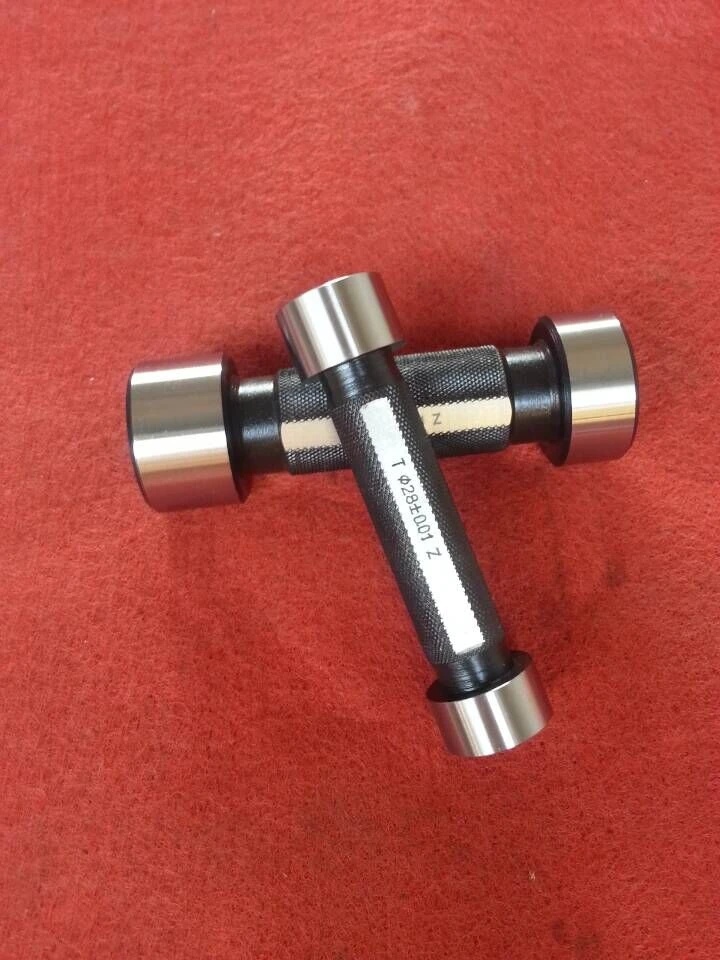
Understanding Metal Ring Gauges A Key Tool in Precision Measurement In the realm of engineering and manufacturing, precision measurement is paramount. Among the myriad of tools available for this purpose, the metal ring gauge stands out as an essential instrument. This article delves into the definition, types, uses, and advantages of metal ring gauges, highlighting their significance in various industries. What is a Metal Ring Gauge? A metal ring gauge is a precision measuring tool used to assess the external dimensions of cylindrical objects. Comprised of a circular metal ring, it is designed to fit over the object being measured. The gauge is typically calibrated to specific dimensions, making it possible to determine whether a part meets required tolerances. The simplicity of its design belies its crucial role in ensuring the accuracy and functionality of components across multiple sectors. Types of Metal Ring Gauges Metal ring gauges come in various types, each tailored to specific measurement needs 1. Go/No-Go Gauges These are the most common types of ring gauges. The Go gauge checks whether the part is within the specified tolerance, while the No-Go gauge ensures it does not exceed the maximum limit. This binary approach allows for a quick and effective means of quality control. 2. Adjustable Gauges These gauges allow for recalibration, enabling them to be used for a range of sizes. They are often employed in settings where parts vary in dimensions, thus enhancing efficiency without compromising accuracy. 3. Thread Ring Gauges Specifically designed to measure threaded components, thread ring gauges ensure that the threads on a screw or bolt meet industry standards. This type is crucial in construction, automotive, and machinery sectors where threaded parts are ubiquitous. Uses of Metal Ring Gauges The applications of metal ring gauges are extensive. They are used in metal ring gauge - Manufacturing In factories, ring gauges are employed to verify the dimensions of manufactured parts, ensuring that they fit together as intended. This is especially important in automotive and aerospace industries, where precision can be a matter of safety. - Quality Control Quality assurance teams utilize ring gauges to perform routine checks on product specifications, thereby maintaining the integrity of the manufacturing process. - Maintenance Engineers often use ring gauges during maintenance work to check the wear and tear on components, ensuring that machinery operates smoothly and efficiently. Advantages of Metal Ring Gauges Metal ring gauges offer numerous advantages that make them a preferred choice in precision measurement 1. Durability Made from high-grade metals, these gauges are built to withstand wear and tear, making them a long-lasting investment for businesses. 2. Accuracy Ring gauges provide a high level of accuracy, crucial for achieving tight tolerances in engineering and manufacturing processes. 3. Ease of Use Their simple design allows operators to use them effectively without the need for complex training, thereby increasing efficiency on the shop floor. 4. Cost-Effectiveness While there may be an initial investment, the accuracy and reliability of metal ring gauges can lead to significant cost savings by reducing waste and the need for rework. Conclusion In conclusion, metal ring gauges play a vital role in the landscape of precision measurement. Their ability to ensure that parts meet stringent specifications is invaluable across industries that demand high standards of quality and reliability. As technology advances, the design and functionality of these gauges will continue to evolve, but their fundamental purpose will remain unchanged. For engineers and manufacturers committed to excellence, investing in high-quality metal ring gauges is not just advisable; it is essential for success.
about
led mirror video
Understanding How to Read a Dial Bore Gauge Dial bore gauges are precision measuring tools commonly used in various industries, particularly in manufacturing and automotive engineering. These gauges are specifically designed to measure the internal diameter of a bore, such as engine cylinders or other cylindrical parts. In this article, we will break down the components of a dial bore gauge, how to use it correctly, and how to read its measurements accurately. Components of a Dial Bore Gauge A typical dial bore gauge consists of several key components 1. Dial Indicator The most recognizable part of the bore gauge, the dial indicator shows the measurement reading. It is calibrated to provide precise measurements, often in millimeters or inches. 2. Measuring Arms The gauge features two measuring arms that expand outward to contact the inner walls of the bore. These arms are adjustable and can easily accommodate different bore sizes. 3. Probe At the end of the measuring arms, the probe is the part that touches the inner surface of the bore. It is usually made of a durable, non-marring material to ensure it does not damage the workpiece. 4. Adjustment Knob This allows the user to set the initial position of the gauge, ensuring accurate measurements when the probe is placed inside the bore. 5. Base The base of the gauge stabilizes the tool during measurement, ensuring that no vibrations affect the reading. How to Use a Dial Bore Gauge Using a dial bore gauge properly requires following a few steps 1. Preparation First, ensure that both the gauge and the workpiece are clean. Any debris can lead to inaccurate readings. reading a dial bore gauge 2. Adjustment Before inserting the gauge, use the adjustment knob to set the gauge to the approximate diameter of the bore. This setting will provide a baseline for your measurements. 3. Inserting the Gauge Carefully insert the probe end of the gauge into the bore. Ensure the measuring arms expand gently against the inner wall, creating contact without excessive force. 4. Centering the Probe For a precise measurement, it is crucial to center the probe within the bore. You can rotate the gauge slightly to ensure it is perpendicular to the bore's surface. 5. Taking the Measurement Read the dial indicator once the probe is securely in place. Pay attention to the needle position and note the measurement. For more accuracy, take multiple readings at different heights of the bore, as irregularities can occur along its length. Reading the Dial Reading a dial bore gauge effectively requires some familiarity with the dial indicator. Here’s how to interpret the readings 1. Reference Scaling Most dial indicators have two scales a primary scale and a secondary scale (or a fractional scale). The primary scale is typically marked in larger increments, while the secondary scale provides more precise measurements. 2. Determining the Measurement When reading the dial, observe where the needle points. Combine the reading from the larger scale with any additional fraction indicated on the smaller scale. For example, if the needle points to 2.0 on the large scale and 0.5 on the small scale, the measurement would represent 2.5 mm or inches, depending on the unit of the gauge. 3. Zeroing the Gauge If the gauge has an adjustable zero, make sure it is set correctly before taking any measurements. This ensures that your readings reflect the true dimensions of the bore. Conclusion Reading a dial bore gauge is a fundamental skill for anyone involved in precise engineering work where internal diameters need to be measured accurately. By understanding the components and method of using the gauge correctly, operators can ensure high standards of manufacturing and maintenance quality. Regular practice and familiarity with the tool will improve the precision and efficiency of measurements over time. As with any measurement process, the accuracy of the results directly hinges on the operator's diligence in following proper procedures. With this knowledge, you can confidently tackle measurements using a dial bore gauge in your projects.
-

High quality industrial productsagement

High quality industrial products
View Details -

Meet the diverse needs of customers

Meet the diverse needs of customers
View Details -

Strict quality control

Strict quality control
View Details -

Top raw materials

Top raw materials
View Details -

Trusted supplier

Trusted supplier
View Details
Our application

news and information

Wholesale Solutions for Valves and Related Products in the Industry
Exploring Valve Wholesale An Overview In the world of industrial applications, valves play a crucial
Valve anti - retour Baron
Le Vanne à Boule Un Dispositif Essentiel pour la Sécurité des Systèmes Hydraulique La vanne à boule
Wooden frame construction with truss plates and nails for added structural support.
Wood frame construction has been a popular building method for centuries, providing a versatile and
 English